Uncover the Secrets of Luxor Temples: Your Essential Guide

When you explore Egypt’s rich history, Luxor Temple is a key spot. It’s in Luxor city, showing the area’s cultural and historical value.

The temples’ detailed carvings and grand design will amaze you. They played a big role in ancient Egyptian life. For centuries, Luxor Temple tours have drawn visitors from everywhere.

Knowing the Luxor Temple history helps you appreciate its heritage. It shows why these old buildings are so important.

You will read in this article

Introduction to Luxor Temples

The Luxor Temple complex is a treasure trove of history and architecture. Its intricate hieroglyphics and towering obelisks make it a must-see for history buffs and architecture enthusiasts. As you wander through the temples, you'll uncover many interesting facts about ancient Egyptian architecture.

The Luxor Temples are famous for their stunning architecture. They feature columns, obelisks, and detailed hieroglyphics. These structures show the advanced engineering skills of the ancient Egyptians. They also give us a peek into their religious and cultural practices.

Key Architectural Features of Luxor Temples:

  • Imposing obelisks that stand tall, symbolizing the connection between heaven and earth
  • Intricate hieroglyphics that adorn the walls, telling stories of pharaohs and gods
  • Massive columns that support the structures, showcasing the engineering prowess of the ancient Egyptians
Feature Description Significance
Obelisks Tall, narrow monuments often inscribed with hieroglyphics Symbolize the power and divinity of the pharaohs
Hieroglyphics Intricate carvings that tell stories and convey messages Provide insights into the culture, religion, and daily life of ancient Egyptians
Columns Structural elements that support the temples Demonstrate the advanced engineering skills of the ancient Egyptians

Exploring the Luxor Temples further reveals their historical importance. The temples are not just architectural wonders. They are also keys to understanding ancient Egypt's rich history and culture.

Overview of Key Temples

As you enter the Karnak Temple Complex, you're transported to an ancient world. It covers over 2 square kilometers. This place is not just one temple but a collection of sanctuaries, halls, and pylons built over centuries.

History and Significance

The Karnak Temple Complex is one of the largest in the world. It's a key historical site in Luxor, Egypt. Its history goes back to around 1500 BCE, with many pharaohs adding to it over the years.

Key Components of the Karnak Temple Complex:

  • The Hypostyle Hall, with 134 columns, is a marvel of architecture.
  • The Sacred Lake, a large pond, adds to the complex's mystique.
  • The complex also includes various temples, chapels, and other structures built by different rulers.

The Karnak Temple Complex showcases ancient Egyptian architecture and religious practices. Its vast area is filled with historical and cultural landmarks. It's a fascinating place to explore.

Some of the notable features include:

  1. The impressive Avenue of the Sphinxes, connecting the complex to Luxor Temple.
  2. The Obelisk of Hatshepsut, one of the few remaining obelisks in Egypt.
  3. The Festival Hall of Thutmose III, showcasing intricate carvings and hieroglyphics.

Getting There and Around

Luxor Temples are easy to reach by different ways, making your trip planning simple. You can come by air, land, or river, depending on what works best for you.

By Air: Luxor International Airport (LXR) is the closest airport. It gets flights from big Egyptian cities and some international places. After landing, you can take a taxi or book a private ride to your hotel.

By Land: Luxor is linked to other Egyptian cities by bus and train. The train is comfy, run by Egyptian National Railways. Buses are cheaper and a good option too.

By River: Arriving by Nile River cruise is a calm way. Many cruises stop at Luxor, letting you see the temples at your pace.

Navigating Luxor Temples

Getting around Luxor Temple is easy once you get there. The temple is open all day, and you can join guided tours in many languages. You can also use a Luxor Temple map to wander on your own.

If you want to join Luxor Temple tours, there are many options. You can choose from walking tours to full packages with transport and entry fees.

  • Plan your visit during the temple's open hours for a full day.
  • Wear comfy shoes since you'll walk a lot.
  • Don't forget sun protection like a hat, sunglasses, and sunscreen.
  • Think about getting a local guide for deeper insights into the temple's history.

The Karnak Temple Complex

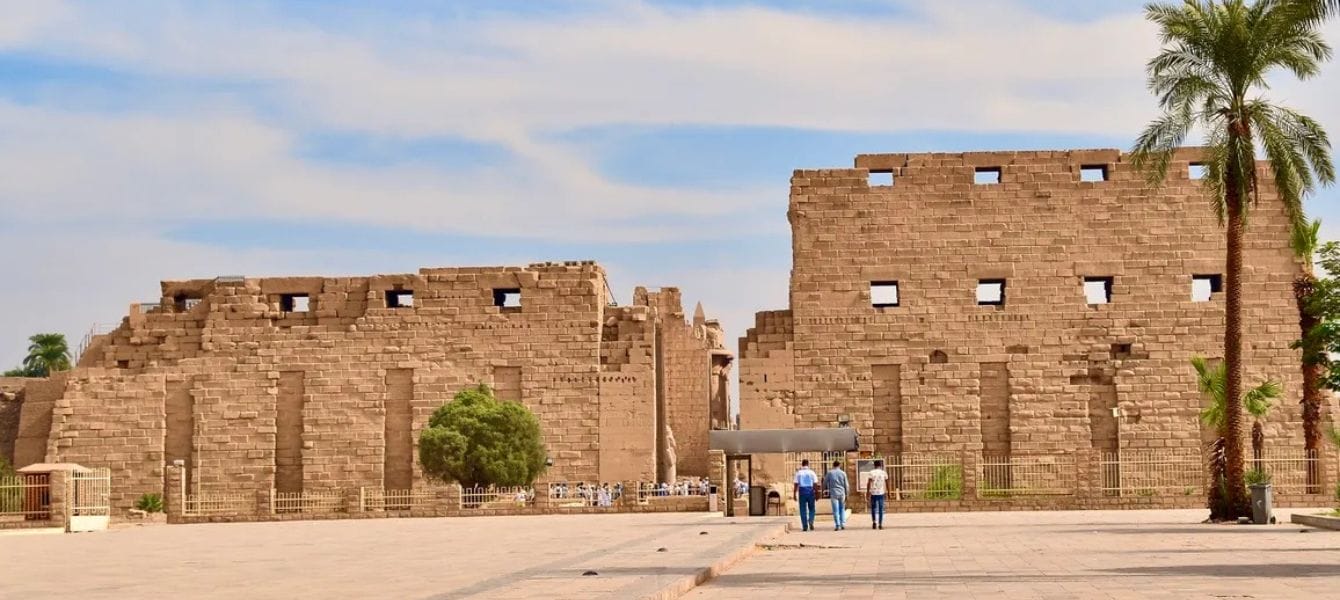
As you enter the Karnak Temple Complex, you're surrounded by ancient Egyptian history and architecture. This huge complex is one of the biggest in the world. It's on the east bank of the Nile River in Luxor, Egypt.

The Karnak Temple Complex is famous for its varied architectural styles. You'll see many columns, obelisks, and temples. It shows the grandeur and religious practices of ancient Egyptians. It also shows how architecture changed over time.

Key Features of the Karnak Temple Complex

  • The Great Hypostyle Hall, featuring 134 massive columns arranged in 16 rows.
  • The Sacred Lake, a significant ritual site for ancient priests.
  • The Avenue of Sphinxes, a ceremonial pathway lined with sphinx statues.
  • Several obelisks, including the tallest one erected by Pharaoh Thutmose I.

The complex is more than just old buildings. It's a journey through Egypt's history. Many pharaohs added to it over the years. The Luxor Temple architecture is seen in its design and construction.

Feature Description Historical Significance
The Great Hypostyle Hall A hall with 134 massive columns. Symbolizes the primeval marsh where creation began.
The Sacred Lake A large lake used for ritual purposes. Used by priests for purification rituals.
Avenue of Sphinxes A pathway lined with sphinx statues. Connected the Karnak Temple to the Luxor Temple.

Visiting the Karnak Temple Complex is unforgettable. It gives you a deep look into ancient Egyptian culture, religion, and architecture. As you wander, you'll see detailed carvings and huge structures. You'll also learn about the history that makes this place so important.

Luxor Temple: A Closer Look

When you enter Luxor Temple, you feel like you've traveled back in time. This amazing place is on the east bank of the Nile River. It shows the skill and spiritual depth of ancient Egyptians.

The history of Luxor Temple is both interesting and complex. It started in the 14th century BC during Pharaoh Amenhotep III's rule. It was mainly for the god Amun, his wife Mut, and their son Khonsu. Over time, it changed a lot, with new parts added by different rulers.

The Architectural Significance of Luxor Temple

The design of Luxor Temple is impressive. It has a big entrance, tall columns, and detailed hieroglyphics. The temple shows the beliefs and politics of the time. It has areas for different gods and pharaohs.

The Avenue of Sphinxes is a highlight. It used to link Luxor Temple to Karnak Temple Complex. The temple's layout shows the ancient Egyptians' engineering skills. It's aligned with the winter solstice sunrise, showing their knowledge of astronomy.

Key Features of Luxor Temple

  • The grand pylon entrance, adorned with scenes of military victories and religious rituals.
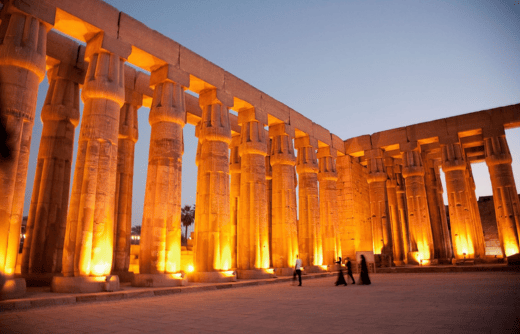
  • The hypostyle hall, with its towering columns that create a dramatic effect.
  • The inner sanctum, where the sacred barque of Amun was kept during rituals.
  • The Roman chapel, showcasing the influence of Roman culture on Egyptian religious practices.

Visiting Luxor Temple gives you a special look at ancient Egypt's culture and architecture. As you walk through, you're not just seeing history. You're experiencing the lasting legacy of a civilization that still fascinates us today.

Hatshepsut Temple: A Unique Experience

The Hatshepsut Temple is nestled in the cliffs of Deir el-Bahari. It offers a unique look into ancient Egyptian history. Hatshepsut, one of the most successful pharaohs, left her mark in this magnificent temple.

Architectural Significance

The temple's design shows the skill of ancient Egyptian builders. It's built into the cliffs with terraces for rituals. You can see the three main levels, each with its own charm.

  • The lower level has a hypostyle hall with 18 pillars, creating a solemn atmosphere.
  • The middle level boasts a large, open courtyard surrounded by colonnades.
  • The upper level houses the sanctuary, where sacred rituals occurred.

The Hatshepsut Temple is not just a marvel of architecture. It's a window into ancient Egypt's culture and traditions. Exploring the temple reveals the rich history and significance of this site.

Key Features of the Hatshepsut Temple

  1. Unique Architecture: The temple's design is a mix of Egyptian and foreign styles.
  2. Historical Significance: It offers insights into Hatshepsut's reign and her role as a female pharaoh.
  3. Cultural Importance: The temple showcases ancient Egypt's cultural and religious practices.

Historical Context of the Temples

The New Kingdom period was a time of great change for ancient Egypt. The Luxor Temples are a big reminder of this era. During this time, Egypt was at its strongest, and the temples showed the wealth and dreams of the pharaohs.

From around 1550 to 1070 BCE, Egypt saw a rise in culture, economy, and military strength. Powerful pharaohs like Hatshepsut, Thutmose III, and Ramses II helped build the Luxor Temples.

The Construction Period

The Luxor Temples were built over many years, with different pharaohs adding to them. Amenhotep III started building them, and Ramses II made them even bigger. This shows how ancient Egypt's beliefs and politics changed over time.

Period Pharaoh Contribution
1390-1352 BCE Amenhotep III Initial construction of Luxor Temple
1279-1213 BCE Ramses II Expansion and additions to Luxor Temple
1479-1458 BCE Hatshepsut Construction of her temple at Deir el-Bahri

Knowing the history of the Luxor Temples helps us understand their importance. These temples were more than places of worship. They were symbols of the pharaohs' power and ancient Egypt's cultural achievements.

Local Tours and Guides

To truly appreciate the majesty of Luxor Temples, consider joining a guided tour led by a knowledgeable local guide. Guided tours of Luxor Temples are designed to provide visitors with a deeper understanding of the site's history and significance.

Various tour operators offer Luxor Temple tours, catering to different interests and preferences. These tours can range from general overviews to more specialized tours focusing on specific aspects such as architecture, historical events, or the mythology associated with the temples.

Some benefits of opting for a guided tour include:

  • Access to expert knowledge from guides who are well-versed in the history and cultural context of Luxor Temples.
  • The opportunity to ask questions and gain insights that might not be available through self-guided exploration.
  • A more engaging experience, as guides often share fascinating stories and anecdotes about the temples.

When selecting a tour, consider factors such as the size of the group, the duration of the tour, and any specific areas of interest you may have. This will help ensure that your experience is tailored to your preferences.

By choosing a guided tour, you can enhance your visit to Luxor Temples, making it a more memorable and enriching experience.

Tips for Visiting the Temples

Before you visit Luxor Temples, it's important to know a few things. You should know the entrance fees, opening hours, and what to expect. This will help you plan your day and avoid any surprises.

Luxor Temple Entrance Fee and Opening Hours

The Luxor Temple has specific opening hours and entrance fees. It's usually open from early morning to late evening. But, these hours can change with the seasons and special events.

  • Check the official website or contact the local tourism office for the most up-to-date information on Luxor Temple opening hours.
  • The entrance fee is generally around a certain amount. There might be extra costs for guided tours or special exhibitions.
  • Consider buying a combined ticket if you want to visit other temples or attractions in Luxor.

Photography and Etiquette

When you visit the temples, it's key to be respectful. Here are some tips:

  1. Be aware of any photography restrictions, inside the temples or during ceremonies.
  2. Remove your shoes when needed, and don't touch or lean on ancient structures.
  3. Listen to your guide or the site staff to ensure a safe and enjoyable visit.

By being prepared and respectful, you can have a better experience at the Luxor Temples.

Nearby Attractions and Activities

Exploring the Luxor Temples opens up a world of nearby attractions and activities. The area is filled with history and culture. It offers a variety of experiences that add to your temple tour.

Must-visit attractions near Luxor Temples include:

  • The Valley of the Kings, a vast burial ground for pharaohs and nobles
  • The Luxor Museum, which houses a collection of artifacts found in the area
  • The Mummification Museum, showcasing the ancient art of mummification

Use a Luxor Temple map to find your way to these attractions. Local tours and guides can also help you understand the area's history and significance.

Other activities to enjoy include:

  1. Taking a hot air balloon ride over the temples at sunrise
  2. Exploring the local markets for traditional crafts and souvenirs
  3. Enjoying a felucca ride along the Nile River

Adding these nearby attractions to your plan makes your trip to Luxor unforgettable and enriching.

Local Cuisine and Dining Options

Exploring Luxor's ancient sites reveals a lively dining scene. Here, you'll find local Egyptian cuisine that's both traditional and fresh. Restaurants use ingredients from the area, making every dish special.

Traditional Egyptian Cuisine: Egyptian food is famous for its bold flavors and big portions. You must try koshari, a vegetarian favorite with pasta, lentils, and fried onions. Don't miss falafel, crispy chickpea patties, and shawarma, grilled meat in a pita with tahini sauce.

In Luxor, enjoy these dishes at local spots. Here are some top places:

  • The Old Town Restaurant, known for its authentic Egyptian cuisine in a historic setting.
  • Al-Masry Restaurant, offering a range of traditional dishes with a focus on local ingredients.
  • The Floating Restaurant on the Nile, where you can enjoy Egyptian cuisine while taking in the stunning views of the river.

Luxor also offers international dishes like Italian and Chinese. Whether you're craving something familiar or adventurous, Luxor has it all.

When dining in Luxor, try local drinks like ahwa (Egyptian tea) or karkade (hibiscus tea). They're refreshing and hold cultural value.

Conclusion: Making the Most of Your Luxor Visit

Planning well and knowing your options can make your Luxor trip great. This Guide to Luxor Temples shows you the area's rich history and culture. You'll find attractions like the Karnak Temple Complex and Luxor Temple.

Think about joining a Luxor Temple tour. These tours offer deep insights into the sites' history and importance. With some prep and knowledge, your Luxor visit will be unforgettable.

Luxor is perfect for those who love history, architecture, or local culture. Follow the tips in this guide for a memorable and enriching trip. You'll discover why Luxor is such an incredible place.


Search

Categories

blog
22
Plan with us! Your dream vacation is a click away.
Related Tours

Sightseeing

Begin your unforgettable birdwatching adventure in Aswan with a warm welcome from your ...

Sightseeing

Begin your day with a warm welcome from your private Egyptologist guide before setting ...

Nile Cruise

Step aboard for an immersive 7 night Nile River cruise from Luxor to Luxor, sailing dee...