Your Guide to Trying Traditional Egyptian Cuisine

Exploring Egypt’s rich culinary world opens up a treasure trove of flavors. The country’s location at the crossroads of Africa, Asia, and Europe shapes its dishes. You’ll find everything from hearty stews to delicate pastries and desserts.

Rich in history and culture, Egyptian food reflects the country’s heritage. Visiting the Best Museums in Cairo Egypt will help you understand the history behind these dishes.

You will read in this article

1. What is Traditional Egyptian Food?

Egypt's food is a mix of Mediterranean, Middle Eastern, and African flavors. This mix is seen in its traditional dishes. These dishes use fresh ingredients, herbs, and spices for taste and smell.

Egyptian cuisine is known for being hearty and comforting. It often includes vegetables, legumes, and grains. These ingredients are used because of Egypt's history and geography.

Meat and poultry are also important in Egyptian cooking. Chicken, beef, and lamb are favorites. They're used in stews, grilled dishes, and other traditional recipes.

Some key traits of Egyptian cuisine include:

  • The use of fresh herbs and spices for flavor.
  • A focus on vegetables, legumes, and grains.
  • The use of meat and poultry in traditional recipes.
  • A mix of Mediterranean, Middle Eastern, and African flavors.

Understanding these traits helps you appreciate Egypt's rich food traditions. It shows how food is a big part of Egypt's culture and identity.

2. Must-Try Dishes from Egypt

Egyptian food is a mix of Mediterranean, African, and Middle Eastern tastes. This blend creates a unique dining experience. It's a feast for your taste buds.

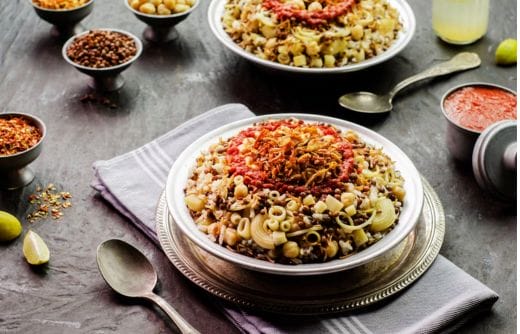
Egyptian dishes are known for their big portions and strong flavors. Koshary is a favorite dish. It's made with pasta, lentils, tomato sauce, and fried onions. It's a must-try when you visit Egypt.

Koshary, a National Dish

Koshary is more than food; it's a cultural icon. It's a mix of pasta, lentils, and tomato sauce, topped with crispy onions. You can find it at street stalls and casual eateries.

Other dishes you should try include:

  • Ful Medames: A hearty stew with fava beans, garlic, and lemon juice.
  • Ta’meya: Egyptian falafel made with fava beans, a twist on chickpea falafel.
  • Kebab and Kofta: Grilled meats, often served with rice or bread.

These dishes show the variety of Egyptian cuisine. They highlight the use of traditional ingredients and cooking methods. Exploring Egyptian food is like learning about the country's history and culture.

3. Egyptian Bread Varieties

Exploring Egyptian cuisine, you'll find a key staple: the variety of breads, like eish baladi. Egyptian bread is a core part of the country's food culture.

Eish baladi is a traditional Egyptian bread. It has a thick crust and a soft inside. It's a must-have in Egyptian meals, used to scoop up food and sauces.

Types of Egyptian Bread

Egyptian cuisine offers many breads, each with its own special traits. Here are some favorites:

  • Eish baladi: This traditional bread has a thick crust and a soft inside.
  • Eish shamsi: Made with more whole wheat flour, it's denser.
  • Fateer: A flaky, layered bread, great with toppings or fillings.
Bread Type Description Common Use
Eish Baladi Thick crust, soft interior Scooping up food and sauces
Eish Shamsi Denser, whole wheat flour Breakfast or snack
Fateer Flaky, layered With toppings or fillings

Trying Egyptian bread is a unique experience. Whether it's eish baladi with a traditional meal or other varieties like eish shamsi or fateer, you'll love the rich flavors and textures.

4. Popular Egyptian Proteins

Meat and poultry are key in Egyptian cooking. Kebab and kofta are top favorites. They are tasty and show Egypt's rich food culture.

Kebab and Kofta: The Stars of Egyptian Proteins

Kebab and kofta are big in Egyptian food. They are grilled meats served with bread and salad. Kebab is skewers of marinated meat. Kofta is ground meat with spices and herbs, grilled on skewers.

Marinade and grilling are crucial for these proteins. For kebab, marinate in olive oil, garlic, and spices like cumin and coriander. Kofta gets flavor from ground meat, onions, parsley, and spices before grilling.

Some popular kebab and kofta variations include:

  • Chicken kebab marinated in yogurt and spices
  • Lamb kofta seasoned with cumin and coriander
  • Beef kebab grilled to perfection with a side of tahini sauce

These dishes are loved in Egypt and around the world. Many restaurants offer their take on kebab and kofta. Trying them at a local spot or making them at home is always a treat.

5. Egyptian Sides and Appetizers

Discover a variety of tasty Egyptian sides and appetizers. These dishes add flavor to every meal, making it special.

Egyptian sides and appetizers are more than just extras. They're a key part of the meal, starting with a burst of flavor. A favorite is ful medames, a dish of fava beans, garlic, and lemon.

Ful Medames: A Staple Egyptian Side Dish

Ful medames is a classic Egyptian dish. It's easy to make and full of nutrients. It's simmered fava beans with garlic, then seasoned with lemon and olive oil.

This dish is often served with Egyptian bread and veggies. It's a filling and healthy choice.

To make ful medames, you'll need:

  • 1 cup dried fava beans
  • 2 cloves garlic, minced
  • 2 tablespoons olive oil
  • 1 tablespoon lemon juice
  • Salt and pepper to taste
  • Chopped parsley or cilantro for garnish

Here's a simple recipe to get you started:

  1. Rinse the fava beans and soak them overnight.
  2. Drain and simmer the fava beans with minced garlic until they are tender.
  3. Mash the fava beans with olive oil, lemon juice, salt, and pepper.
  4. Garnish with chopped parsley or cilantro.

Other favorites include ta'ameya (Egyptian falafel), dukkah (a mix of nuts and spices), and koshari (a vegetarian dish with pasta, lentils, and tomato sauce).

Dish Description Main Ingredients
Ful Medames A hearty fava bean dish Fava beans, garlic, lemon juice
Ta'ameya Egyptian falafel Fava beans or chickpeas, herbs, spices
Dukkah A mix of nuts and spices Nuts (hazelnuts, almonds), spices (cumin, coriander)
Koshari A vegetarian pasta and lentil dish Pasta, lentils, tomato sauce, onions

6. Traditional Egyptian Desserts

Egyptian desserts are a sweet way to end any meal. They show the country's rich food history. These treats are not just tasty but also carry deep cultural and historical meaning.

Om Ali is a favorite Egyptian dessert. It's made with puff pastry, milk, and nuts. It's a hit at special events and celebrations.

Om Ali, a Classic Dessert

Om Ali is more than a dessert; it's a sign of Egyptian hospitality. The name "Om Ali" means "Ali's mother." It's named after a historical figure.

To make Om Ali, you need:

  • Puff pastry
  • Milk
  • Nuts (such as almonds or pistachios)
  • Sugar
  • Rose water (optional)

Here's a simple recipe to start:

  1. Preheat your oven to 400°F (200°C).
  2. Roll out the puff pastry and bake until golden.
  3. In a separate saucepan, combine milk, sugar, and rose water (if using). Bring to a boil.
  4. Break the baked puff pastry into pieces and add to the milk mixture.
  5. Add nuts and simmer until the mixture thickens.
  6. Serve warm or chilled, garnished with additional nuts.

Other popular Egyptian desserts include:

Dessert Description Main Ingredients
Basbousa A sweet cake made with semolina flour, often topped with almonds. Semolina flour, sugar, eggs, almonds
Kunafah A dessert made with shredded phyllo dough, cheese, and syrup. Phyllo dough, cheese, sugar, rose water
Mhalabia A milk pudding flavored with rose water and topped with nuts. Milk, rose water, sugar, nuts

These desserts are not just sweet treats. They give a peek into Egypt's rich food traditions. Whether you're trying Om Ali for the first time or exploring other sweets, you'll love the flavors and textures.

7. Traditional Egyptian Beverages

Egyptian culture is rich in traditional beverages, with tea being a staple in daily life. You can experience the warmth of Egyptian hospitality through its tea culture. It's an integral part of social gatherings and celebrations.

Tea in Egypt is more than just a drink; it's a symbol of hospitality and friendship. Koshary tea, a popular variety, is made with black tea, sugar, and fresh mint leaves. It offers a refreshing and sweet flavor profile. You can enjoy Koshary tea at local cafes or during meals, experiencing the authentic taste of Egypt.

In addition to tea, other traditional Egyptian beverages include:

  • Ahwa (Turkish coffee), known for its strong flavor and traditional serving in small cups.
  • Sahlab, a warm, milky drink flavored with cinnamon and topped with coconut flakes and nuts, often enjoyed during winter.
  • Fresh Sugarcane Juice, a sweet and refreshing drink popular in street markets.
  • Qamar al-Din, a drink made from dried apricot sheets, often served during Ramadan.

These beverages not only quench your thirst but also offer a glimpse into Egypt's rich cultural heritage. As you explore Egyptian cuisine, be sure to try these traditional drinks. They will enhance your culinary experience.

8. The Role of Spices in Egyptian Cuisine

Spices are key in traditional Egyptian cuisine. Cumin and coriander, two main spices, can really make a dish pop. They add warmth and depth to many meals.

Cumin and Coriander: The Dynamic Duo of Egyptian spices, cumin and coriander work together. Cumin brings an earthy flavor, while coriander adds a sweet and citrusy taste. They're the heart of many Egyptian recipes.

Exploring Egyptian cuisine, you'll see spices are used a lot. They're in everything from savory stews to fragrant rice dishes. Here are some important spices and their uses:

  • Cumin: Adds warmth and earthiness to dishes like Koshari and Ful Medames.
  • Coriander: Provides a sweet and citrusy flavor, often used in spice blends for grilled meats.
  • Cinnamon: Used in both sweet and savory dishes, adding a warm, spicy flavor.
  • Cardamom: Adds a unique, aromatic flavor to desserts and beverages.

Here's a simple look at a typical Egyptian spice blend:

Spice Common Use Flavor Profile
Cumin Stews, soups, and rice dishes Earthy, warm
Coriander Grilled meats, stews Sweet, citrusy
Cinnamon Desserts, savory dishes Warm, spicy

Adding these spices to your cooking lets you taste the rich flavors of Egyptian cuisine. Whether it's a hearty stew or a simple salad, the right spices can change everything.

9. Egyptian Street Food You Can’t Miss

Egyptian street food is a culinary adventure you won't want to miss. Popular dishes like koshary and falafel are must-tries. As you wander through the bustling streets and markets, you'll be greeted by the enticing aromas of these and other local specialties.

Koshary is a beloved Egyptian dish. It's made from a mixture of pasta, lentils, tomato sauce, and fried onions. It's a flavorful and filling meal that's perfect for a quick lunch or dinner. You can find koshary at most street food stalls and casual eateries throughout Egypt.

Falafel is another Egyptian favorite. It consists of crispy, flavorful chickpea patties. These are typically served in a pita with vegetables and tahini sauce. It's a great snack or light meal that's both healthy and delicious.

Popular Egyptian Street Foods

  • Koshary: A pasta and lentil dish topped with tomato sauce and fried onions.
  • Falafel: Crispy chickpea patties served in a pita with vegetables and tahini sauce.
  • Shawarma: Grilled meat (usually chicken or lamb) served in a pita with vegetables and tahini sauce.
  • Ta'ameya: Egyptian falafel made with fava beans instead of chickpeas.
Dish Description Typical Price
Koshary Pasta, lentils, tomato sauce, and fried onions $3-$5
Falafel Crispy chickpea patties in a pita with vegetables and tahini sauce $2-$4
Shawarma Grilled meat in a pita with vegetables and tahini sauce $4-$6

When enjoying Egyptian street food, follow local customs. Choose vendors that are popular with locals. This will help ensure that you're getting an authentic and delicious experience.

10. Dining Customs and Etiquette in Egypt

Dining in Egypt is more than just eating. It's about showing respect and hospitality. When you sit down to eat, you join a tradition that is both rich and meaningful.

Egyptian dining customs are shaped by Islamic and cultural traditions. For example, it's important to eat with your right hand. This is because the left hand is seen as unclean. This custom shows the importance of cleanliness and encourages eating with care.

Key Dining Etiquette Tips:

  • Wait for the host to start eating before you begin.
  • Eat with your right hand, as the left hand is considered unclean.
  • Show appreciation for the food and company.
  • Try a little of everything served to you, as a sign of gratitude.

Knowing these customs can make your dining experience in Egypt better. Whether you're in a fancy Cairo restaurant or enjoying street food, being respectful will make your time more enjoyable.

Dining Custom Description Significance
Eating with the Right Hand Using your right hand to eat, as the left is considered unclean. Reflects cultural and religious values on cleanliness.
Waiting for the Host Waiting for the host to start eating before you begin. Shows respect for the host and the meal prepared.
Trying a Variety of Dishes Sampling different dishes served. Demonstrates appreciation for the effort and hospitality.

11. Where to Find Egyptian Food in the U.S.

You don't have to go to Egypt to taste its delicious food. Egyptian dishes are found in the U.S. at Middle Eastern or Mediterranean places. You can find them in restaurants and markets.

Looking for real Egyptian food? Search online for "Egyptian food in the U.S." or "Egyptian restaurants" near you. Many cities have Middle Eastern markets. They sell Egyptian ingredients and dishes, so you can make Egyptian food at home.

In the U.S., you can try koshari, falafel, and shawarma. Restaurants that offer Cairo museum tours or cultural events also serve Egyptian food. Whether you want ful medames or baklava, you can find it in Egyptian restaurants across the country.


Search

Categories

blog
22
Plan with us! Your dream vacation is a click away.
Related Tours

Nile Cruise

Embark on the ultimate Nile odyssey with this long cruise from Cairo to Aswan, tracing ...

Sightseeing

Experience the breathtaking beauty of Luxor from above with our thrilling Hot Air Ballo...

Eco Tours

Experience the best of Egypt on this 10-day adventure, starting with a warm welcome in ...