Your Guide to Trying Traditional Egyptian Cuisine

Exploring Egypt’s vibrant culture, you’ll find traditional Egyptian marketplaces are key to its identity. The air is filled with the rich aromas and flavors of local food. It invites you to try the unique dishes available.

Visiting souks and local markets is a must when in Egypt. You can sample local foods, buy traditional crafts, and dive into the Egyptian market culture. The experience, from historic bazaars to lively streets, is unforgettable.

You will read in this article

What Makes Egyptian Cuisine Unique?

Exploring Egyptian cuisine opens a world of bold spices and aromatic herbs. These elements make it stand out from other cuisines. The rich flavors come from the spices and herbs, creating a unique taste.

The Use of Spices and Herbs is key in Egyptian cooking. Cumin, coriander, parsley, and cilantro blend to offer complex yet inviting flavors.

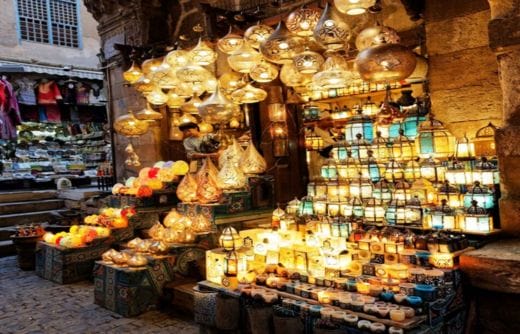
Visiting local markets is essential to experience Egyptian cuisine. Tourist souks in Egypt show the ingredients that make dishes unique. You'll find fragrant spices and fresh bread, all in a lively atmosphere.

For those new to these markets, here are some market shopping tips in Egypt:

  • Be prepared to haggle, as it's common in Egyptian markets.
  • Explore different stalls to compare prices and selection.
  • Don't be afraid to try new foods and drinks available at the markets.
  • Engage with local vendors, who are often happy to share cooking tips and recommendations.

Immersing yourself in Egyptian markets' sights, smells, and tastes deepens your appreciation for the country's culinary heritage. Whether shopping in Egypt or cooking at home, Egyptian cuisine's unique flavors will impress you.

Must-Try Egyptian Dishes

Egypt's food scene is a mix of old traditions and new flavors. When you visit, you'll find a wide range of dishes. You can try them in Cairo bazaars or in the calm markets of Alexandria.

Traditional Breakfast Options

Egyptian breakfasts are a great way to start your day. They often include ful medames, a tasty fava bean stew. You can find these dishes in local spots or street food stalls in must-visit markets in Cairo.

Some dishes you should try for breakfast are:

  • Ful medames, served with garlic, lemon, and pita bread
  • Ta'ameya, Egyptian falafel made from fava beans
  • Shakshuka, a North African dish of eggs poached in a spicy tomato sauce

Visiting Alexandria's local markets lets you enjoy these dishes in a relaxed setting. Don't miss out on the street food vendors and local restaurants. They offer a real taste of Egyptian food.

Exploring Egyptian Street Food

Egyptian street food is a journey into the country's rich culture. Walking the bustling streets, you'll find dishes that are tasty and cheap.

Khan El Khalili Bazaar in Cairo is a top spot for street food. It's not just for shopping in Egypt. You'll also find local dishes that highlight Egypt's culinary traditions.

At tourist souks in Egypt, don't miss the street food. You'll find everything from grilled meats to savory pastries. The Egyptian market culture values street food, with recipes passed down through generations.

Popular Egyptian Street Foods

  • Koshari: A vegetarian's delight made from pasta, lentils, tomato sauce, and fried onions.
  • Ta'ameya: Egyptian falafel that is crispy on the outside and flavorful on the inside.
  • Shawarma: Grilled meat served in a pita with vegetables and tahini sauce.

These dishes are not just delicious. They also give you a peek into Egyptian daily life and culture. Enjoying street food lets you see why it's so important to Egyptians.

In conclusion, trying Egyptian street food is a must when you visit. It's a flavorful journey that combines culture and community, making your trip unforgettable.

A Deep Dive into Egyptian Breakfasts

Starting your day with an Egyptian breakfast is unforgettable. These meals are both nourishing and delicious. They feature dishes likeful medamesandta'ameya.

Ful medames is a staple, made from fava beans, garlic, and lemon. It's a nutritious start to the day. Ta'ameya, or Egyptian falafel, is crispy on the outside and flavorful inside. They're made from fava beans or a mix of fava and chickpeas.

To truly experience Egyptian breakfasts, visit local markets. Cairo's bazaars offer a wide range of ingredients and dishes. When shopping, haggle politely as it's a big part of the experience.

Exploring Local Markets for Breakfast Ingredients

In Cairo's bazaars, you'll find fresh produce, spices, and pre-cooked dishes. These are perfect for an authentic Egyptian breakfast. Here are somemarket shopping tips in Egypt:

  • Be ready to try new ingredients and flavors.
  • Talk to local vendors to learn about their products.
  • Ask for recommendations or samples without hesitation.
Breakfast Dish Main Ingredients Characteristics
Ful Medames Fava beans, garlic, lemon juice Nourishing, flavorful, traditional
Ta'ameya Fava beans or fava beans and chickpeas Crispy outside, flavorful inside
Shakshuka Eggs, tomatoes, spices Spicy, savory, filling

By diving into local markets and trying these dishes, you'll love Egyptian cuisine. You'll appreciate its rich culinary heritage.

The Sweet Side of Egypt

As you explore Egypt's lively markets, you can't resist the charm of treats like basbousa and omm ali. Egyptian sweets are famous for their deep flavors, often featuring honey, nuts, and rose water.

Traditional Egyptian Desserts are a must-try when visiting. Baklava, a pastry filled with nuts and honey, is a classic. Kunafa, with its creamy filling, is another favorite. Don't miss Umm Ali, a puff pastry dessert with nuts.

Exploring Local Markets

To truly enjoy Egyptian sweets, you must visit local markets. In Cairo, the  Khan el-Khalili market is a must-see. It's one of the oldest souks in the Middle East, filled with traditional sweets. Alexandria's El Nasr Street market is also a gem, offering local desserts and drinks.

Other must-visit markets include Al-Azhar Park in Cairo for modern desserts. Montaza in Alexandria is famous for its gardens and local sweets.

  • Try baklava and kunafa at local markets.
  • Explore the historic Khan el-Khalili market in Cairo.
  • Visit El Nasr Street market in Alexandria for local desserts.

Exploring Egypt's sweets opens a world of flavors. Whether you love food or just want to try something new, Egypt's desserts will impress you.

The Importance of Spices in Egyptian Cooking

Spices add depth and warmth to Egyptian cooking. When you visit local markets, or souks, in Egypt, you're hit with aromatic flavors and vibrant colors. These spices are everywhere.

Commonly used spices like cumin, coriander, and cardamom are key in Egyptian cuisine. They're not just for flavor. They also carry cultural and historical significance. For example, cumin is a big part of koshari, a vegetarian dish with pasta, lentils, tomato sauce, and fried onions.

Exploring an Egyptian market is a sensory adventure. The air is filled with scents from cinnamon to citrus. As you walk through, vendors share their spice knowledge. This Egyptian market culture is more than shopping; it's a way to connect with the local life.

Some important spices you'll find include:

  • Cumin: Adds warmth and depth to dishes like stews and salads.
  • Coriander: Used in both its seed and leaf form, it provides a citrusy flavor.
  • Cardamom: Often used in sweet dishes and beverages for its unique aroma.
  • Sumac: Adds a tangy, slightly sour taste to salads and grilled meats.

When shopping in Egypt, make sure to check out these local markets. You'll learn more about Egyptian cuisine and can buy spices to take home.

Spices are crucial in Egyptian cooking. They're the base of the cuisine, giving it its unique flavors and aromas. As you explore traditional Egyptian marketplaces, you'll see spices are more than just ingredients. They're a big part of the culture and heritage.

Traditional Cooking Methods

Exploring Egyptian cuisine reveals the importance of traditional cooking methods. These methods are key to making the country's famous dishes. They are learned by visiting local markets and bazaars.

Key Techniques in Egyptian Cooking

  • Grilling: A popular method used for dishes like kofta and shawarma, giving meats a distinctive flavor.
  • Stewing: Used for heartier dishes, stewing involves slow-cooking ingredients to blend flavors and tenderize meats.
  • Steaming: Often used for vegetables and certain desserts, steaming helps preserve the natural flavors and textures.

Visiting Cairo bazaars and tourist souks in Egypt is a unique chance to see these methods. You can learn about market shopping tips in Egypt and how locals pick the freshest ingredients.

Shopping for Ingredients

Shopping for ingredients is a big part of traditional Egyptian cooking. At local markets, you'll find spices, herbs, and fresh produce essential for Egyptian recipes. Here are some tips for shopping like a local:

  1. Arrive early to get the best selection of fresh produce.
  2. Don't be afraid to haggle; it's part of the market experience.
  3. Smell and inspect the produce before buying to ensure freshness.

By understanding and applying these traditional cooking methods and shopping tips, you can bring the authentic flavors of Egypt into your own kitchen.

How to Experience Egyptian Dining Culture

Egyptian dining culture is full of flavors and hospitality. To dive into it, start by eating at local restaurants. They serve traditional Egyptian food with warmth and generosity.

Exploring local markets, like those in Alexandria, is a great way to experience Egyptian dining. You can try street foods and local dishes that are key to Egyptian cuisine. The souks and markets in Egypt are more than places to shop. They are lively cultural spots where you can taste the real flavors of the area.

In Cairo, don't miss out on the must-visit markets like Khan el-Khalili. This historic market is filled with culinary wonders. You can find everything from fresh bread to exotic spices. It's perfect for experiencing the sights, smells, and tastes of Egyptian dining.

Dining etiquette in Egypt is also key to the culture. Egyptians are known for their hospitality, making mealtimes special. When dining with locals, be ready to chat and enjoy the big portions they serve.

To make your dining experience even better, visit local restaurants that focus on traditional Egyptian dishes. These places often have a cozy atmosphere that shows off Egypt's rich cultural heritage.

In short, experiencing Egyptian dining culture is more than just eating. It's about getting into the local way of life. By eating at local restaurants, exploring markets, and following local dining rules, you can truly appreciate Egypt's warmth and hospitality.

Pairing Drinks with Egyptian Food

The art of pairing drinks with Egyptian food is a cultural tradition. It reflects the country's rich heritage. When you explore Egyptian cuisine, you'll find that beverages like tea and karkade are key to the dining experience.

Egyptian cuisine is known for its bold flavors and spices. The right drink can enhance these flavors. Traditional Egyptian beverages are made to complement the rich and varied dishes. For example, tea is a staple in Egyptian culture. It's often served with meals to provide a soothing contrast to spicy dishes.

Some popular drinks to pair with Egyptian food include:

  • Ahwa (Egyptian Coffee): A strong, spiced coffee that's perfect for accompanying sweet pastries and desserts.
  • Karkade (Hibiscus Tea): A refreshing, caffeine-free tea made from dried hibiscus flowers, often served hot or cold.
  • Sahlab: A warm, milky drink flavored with cinnamon and other spices, typically enjoyed during the winter months.
  • Fresh Sugarcane Juice: A sweet and refreshing drink that's popular in Egyptian marketplaces.

Visiting traditional Egyptian marketplaces is a great way to discover these beverages. When you're shopping in Egypt, you'll find vendors offering a variety of drinks. These drinks are perfect for pairing with local cuisine. Exploring these marketplaces not only enhances your dining experience but also gives you a deeper understanding of Egyptian market culture.

To fully appreciate Egyptian cuisine, it's essential to try these traditional drinks. Whether you're enjoying a meal at a local restaurant or cooking at home, pairing your food with the right beverage can elevate the experience. So, next time you're exploring Egyptian food, be sure to try some of these traditional drinks to complement your meal.

Where to Find Authentic Egyptian Cuisine in the U.S.

Egyptian food is a world of flavors. You can find it in the U.S. at many authentic places. Whether you're in a big city or a small town, there's a place that serves traditional Egyptian dishes.

Look for restaurants that use traditional recipes and ingredients. Many Egyptian restaurants in the U.S. are run by people who brought their cooking traditions from Egypt. You'll find these places in diverse neighborhoods, showing the rich culture of America.

Top Recommendations

  • Check online reviews and ratings to find highly-recommended Egyptian restaurants in your area.
  • Ask locals or food enthusiasts for suggestions; they often have insider knowledge on the best places to eat.
  • Explore Middle Eastern or Mediterranean cuisine districts, as they often include Egyptian restaurants.

Some popular dishes include koshari, a vegetarian favorite, and shawarma, a tasty sandwich. For dessert, try baklava or basbousa, sweet treats that are sure to satisfy your sweet tooth.

City Restaurant Name Notable Dish
New York Alexandria Restaurant Koshari
Los Angeles Cairo Kitchen Shawarma
Chicago Nile Restaurant Ful Medames

Dining at an authentic Egyptian restaurant in the U.S. is like a journey. By exploring local eateries and trying new flavors, you can make your dining experience even better. This is like the vibrant markets or tourist souks in Egypt and Cairo bazaars.

Tips for Cooking Egyptian Dishes at Home

To cook authentic Egyptian dishes, start with the right ingredients. Visiting souks and local markets in Egypt is a great way to find these. You can also shop in Egypt's best markets for unique spices and herbs.

Cooking Techniques

Mastering traditional Egyptian cooking techniques is key to making delicious meals. Techniques like grilling, stewing, and frying are common in Egyptian cuisine. Practice these at home by following traditional recipes and using the right ingredients.

For an authentic Egyptian cooking experience, use ingredients from local markets or online stores that specialize in Middle Eastern products. This will help you get the flavors right and make your dishes more authentic. With practice and patience, you can become proficient in cooking Egyptian dishes at home.

Search

Categories

blog
22
Plan with us! Your dream vacation is a click away.
Related Tours

Sightseeing

Experience the enchanting Sound and Light Show at Philae Temple—an unforgettable one-ho...

Sightseeing

After a delicious breakfast at your hotel, a friendly representative will pick you up f...

From

$100

$150

Nile Cruise

Sail the full length of Egypt’s heart on a long cruise from Aswan to Cairo, a rare 12-n...